
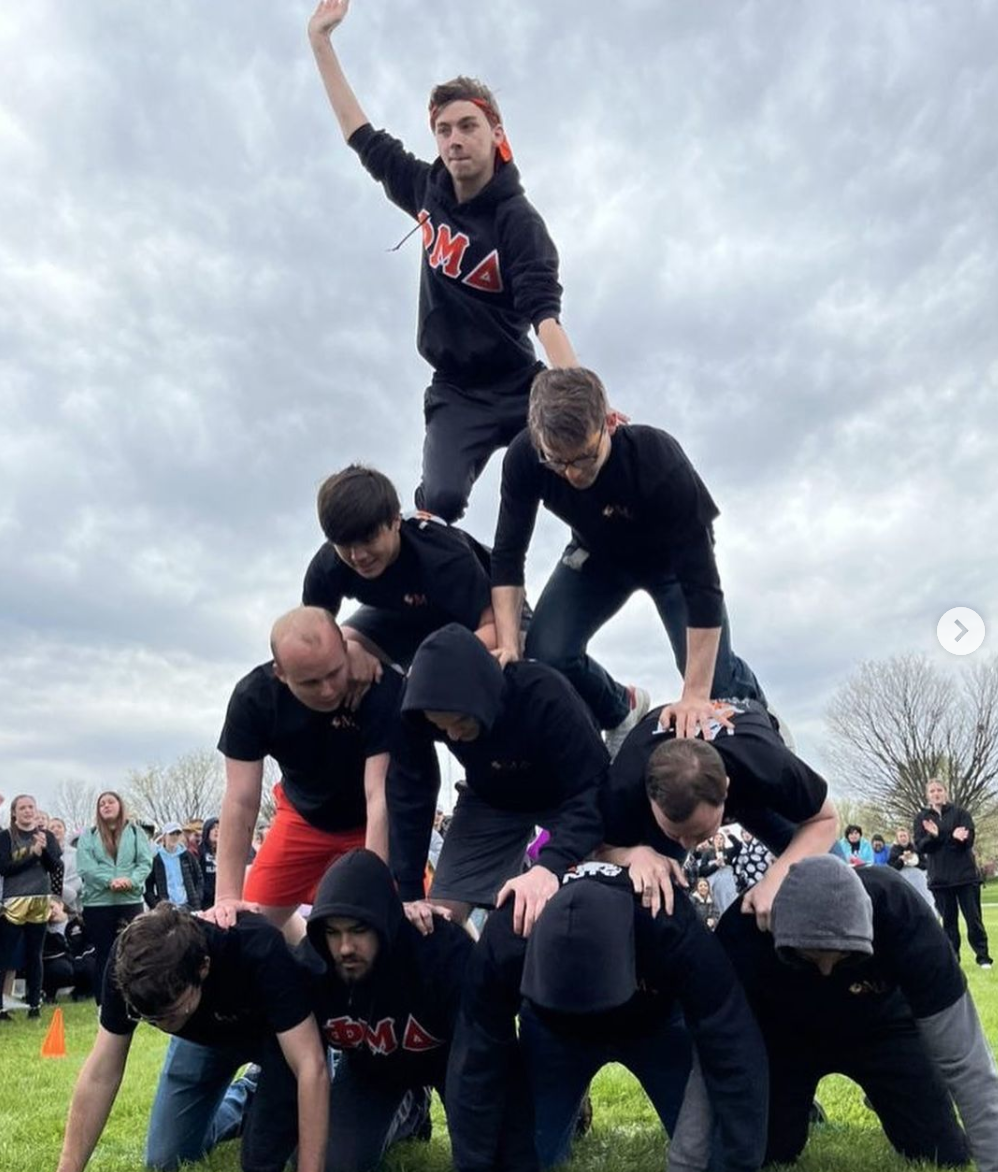
BrotherhoodWe believe that every man holds inherent value and deserves meaningful and uplifting relationships.
|

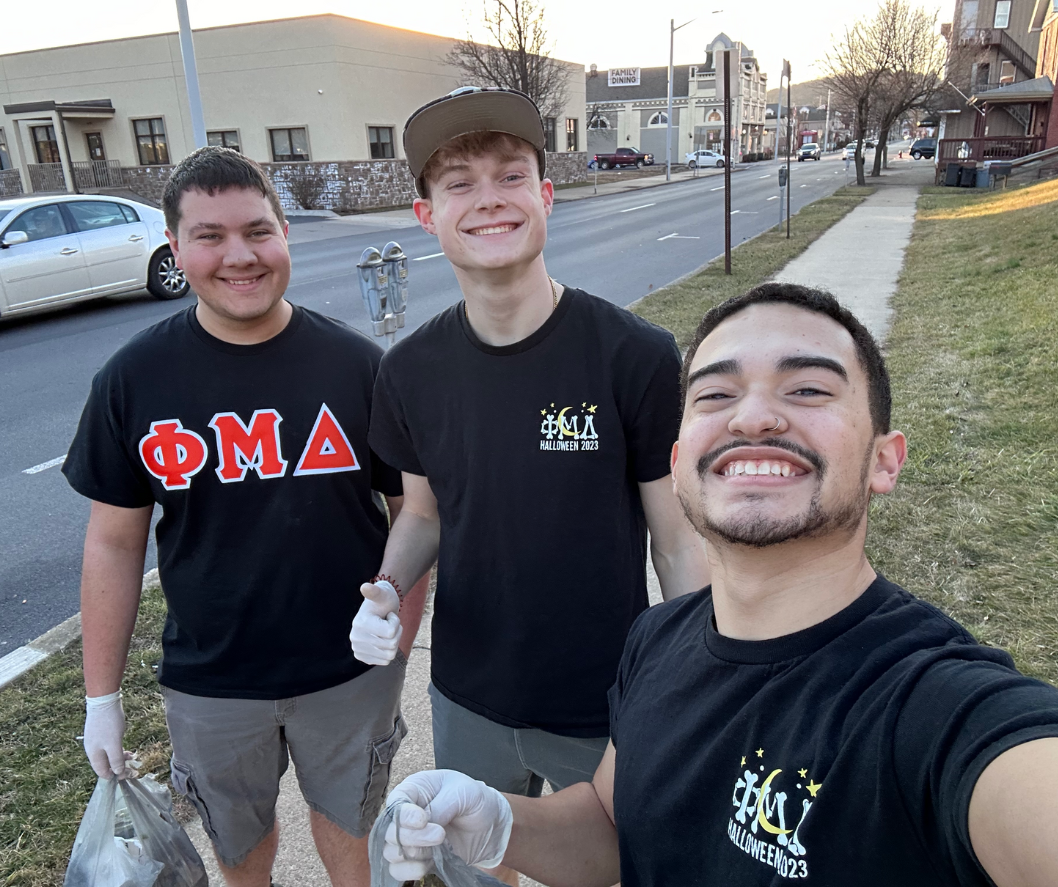
ServiceWe believe in voluntary service to our local communities and the universities we call home.
|

DemocracyWe believe in a just democracy that values freedom and equality for all.
|
We Create Life Long RelationshipsOnce you become a member, you'll immediately join a robust network of friends that stretches beyond your university and across generations. These cherished relationships are founded on shared values and experiences, making them enduring and profoundly significant.
|

We Develop Future LeadersPhi Mu Delta empowers members to become exceptional leaders by providing practical experience in financial management, organizational development, strategic planning, and management. With a multi-day immersive summer leadership program and scholarships for leadership conferences, Phi Mu Delta inspires its members to achieve their full potential.
|

We Improve Our CommunitiesWhile many other fraternities prioritize fundraising, Phi Mu Delta puts its focus on making a direct impact on the communities to which we belong by providing voluntary service. Every year, our members dedicate hundreds of hours to improving their communities.
|
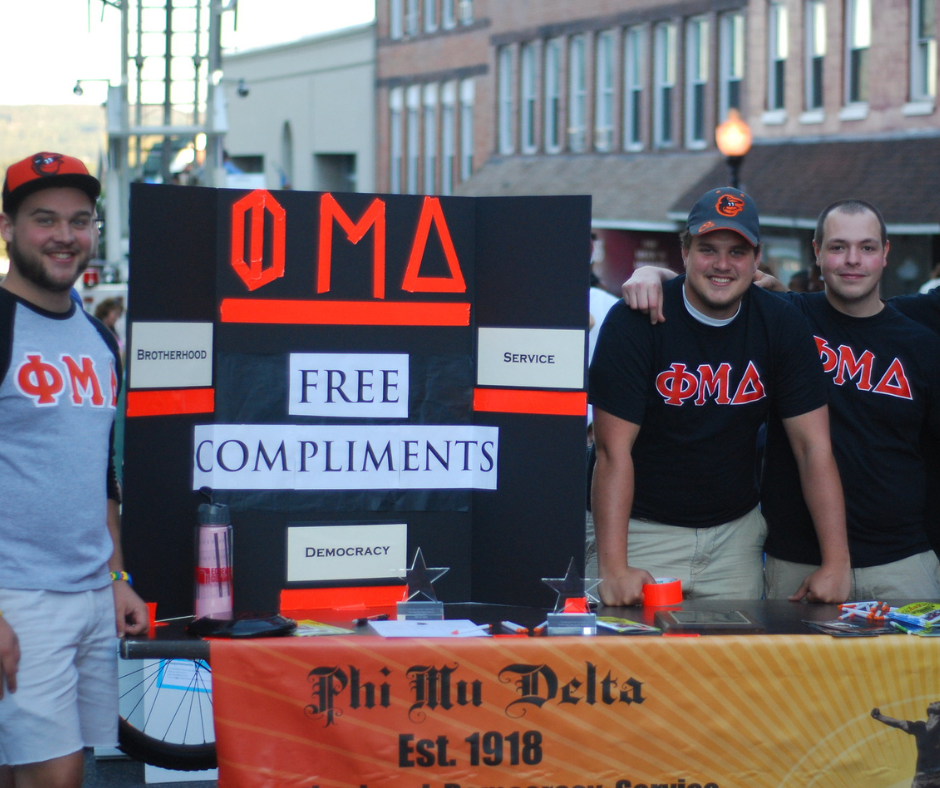
We Encourage Young Adults To VotePhi Mu Delta stands out as the only fraternity with Democracy as a founding value, and we are proud of it. As a technology partner with Rock The Vote, we are committed to empowering young adults to express their right to vote by hosting voter registration drives on campus.
|
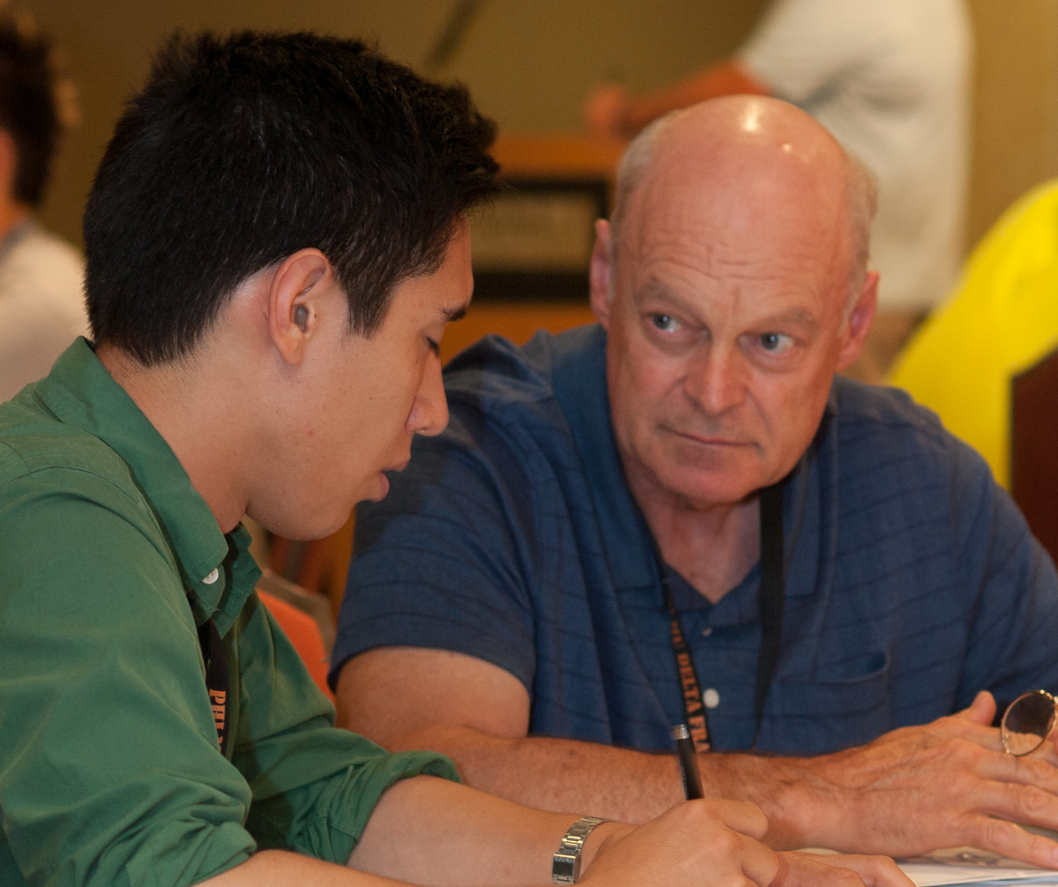
We MentorIn this fraternity, every member is surrounded by an incredible support system. A peer mentor is assigned to each member, while volunteer advisors, made up of university faculty, staff, and alumni mentors, are always available. With a dedicated volunteer for every 15 members, we are committed to ensuring that every member receives the guidance and support they need to succeed.
|

We Help Launch CareersPhi Mu Delta offers a novel program that empowers young leaders to reflect on their Phi Mu Delta experience and develop transferable skills that can give them an edge early on in their future careers. We also take pride in connecting our graduating seniors and their resumes to our vast network of 10,000 accomplished alumni, ensuring they can access the best opportunities in their fields.
|
Frequently Asked Questions
What is the process of joining a Phi Mu Delta Chapter?
As a new member of Phi Mu Delta, you will embark on a journey of self-discovery and growth. Our one-month orientation program is designed to help you get the most out of your experience, with a series of online courses, conversations, ceremonies, and peer mentorship opportunities that will guide you along the way. Through these experiences, you will explore our values and discover the true meaning of brotherhood.
How much does it cost to be in Phi Mu Delta?
Your first semester dues of $340 will cover your new member orientation program, handbook and badge, while subsequent semesters will only cost $150 plus, insurance and local dues. These dues will go towards funding a wide range of activities, including service projects, brotherhood retreats, banquets, leadership development and other chapter goals.
What is the time commitment for Phi Mu Delta activities and events?
Joining Phi Mu Delta is a smart decision that requires a balanced time commitment. Members are expected to attend the weekly chapter meetings and semesterly ceremonies, as they are great opportunities to learn, grow, and make meaningful connections. By participating in chapter programs, becoming a leader and joining committees, you will get the most out of your experience, and we're confident that you'll find that joining Phi Mu Delta is truly a sound investment.
How does joining Phi Mu Delta impact social life and connections?
Phi Mu Delta offers a fantastic opportunity to enrich your social life and expand your network. Our organization is composed of a diverse group of members who value inclusivity and welcome your family and friends. By joining our community, you will experience a sense of connection and belonging that will last a lifetime.
Is there hazing involved in Phi Mu Delta?
No. Phi Mu Delta sets itself apart by defying the fraternity stereotype. From the very beginning, every new member is valued and treated with dignity and respect as a cherished addition to the Brotherhood. We firmly believe that every individual is worthy of respect, and as such, we will not tolerate hazing in any form.
How do I start a New Chapter of Phi Mu Delta
If you're looking to start a new chapter of Phi Mu Delta, take the first step by reaching out to the national office at HQ@PhiMuDelta.org. Gather interest from your friends and other men on your campus to join you on this exciting journey. Together, you can make a positive impact and create a legacy that will last for years to come.
Are You Ready To Build A Legacy?
Phi Mu Delta's vision is to transform the fraternity culture by attracting men who possess a visionary mindset and are committed to breaking stereotypes and building legacies. These men will be the future leaders of their communities, and essential in redefining what it means to be a fraternity. Will that be you?
|
|
|